Buying an existing house is one transaction: you borrow, you close, you move in. Building is not that. The money is released in stages as the house goes up, and understanding that sequence early makes the whole project less stressful.
What follows is general information about how construction lending commonly works, not financial advice. Your lender sets the terms, and they vary.
A Construction Loan Is Paid Out In Draws
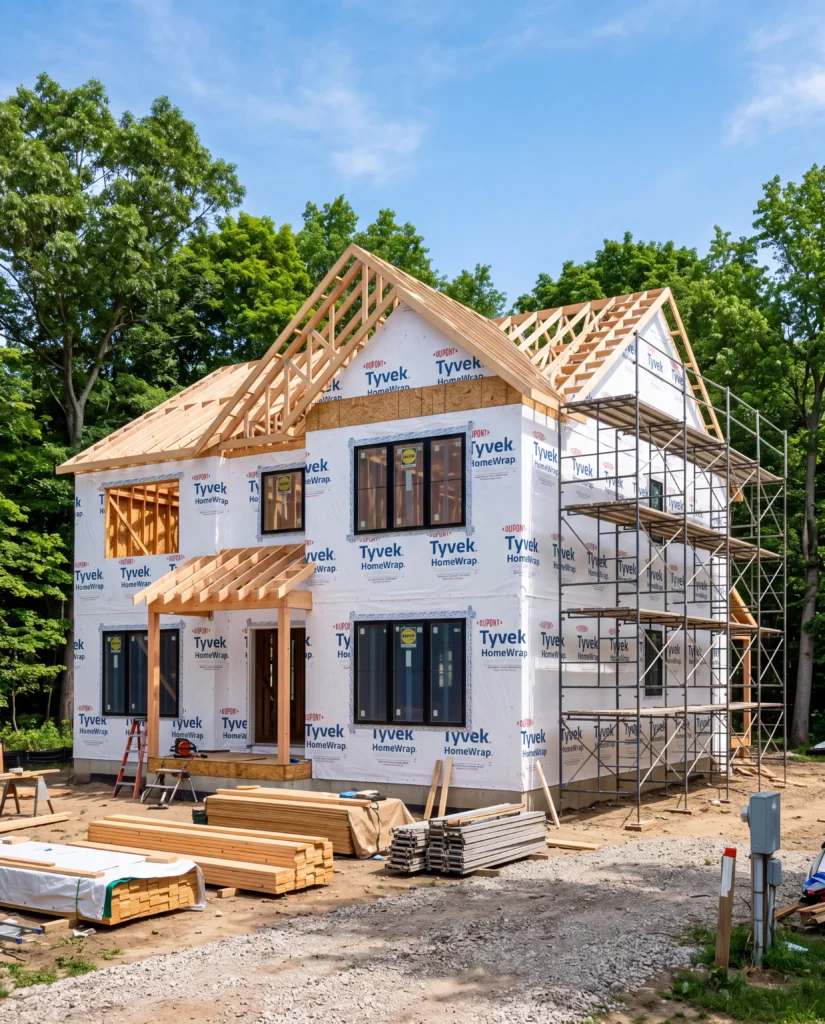
Rather than handing over the full amount at closing, the lender releases money in instalments as work is completed. Each release is a draw, and each draw is typically tied to a stage — foundation poured, framing complete, mechanicals in, drywall hung, and so on.
Before releasing a draw, the lender usually sends an inspector to confirm the work is actually done. This is why the construction schedule and the draw schedule need to agree with each other.
You Pay Interest Only On What Has Been Drawn
During construction you generally pay interest only, and only on the money actually released so far. Payments start small and grow as the house progresses. That matters for planning, because many clients are also paying rent or an existing mortgage at the same time.
Construction-To-Permanent Rolls Into A Mortgage
A construction-to-permanent loan converts into a standard mortgage once the house is finished, usually with a single closing at the start. The alternative is a standalone construction loan that you refinance into a mortgage at completion, which means two closings and two sets of costs.
Which is better depends on rates, timing and your lender. It is worth asking both questions explicitly.
The Lot Can Be Part Of It
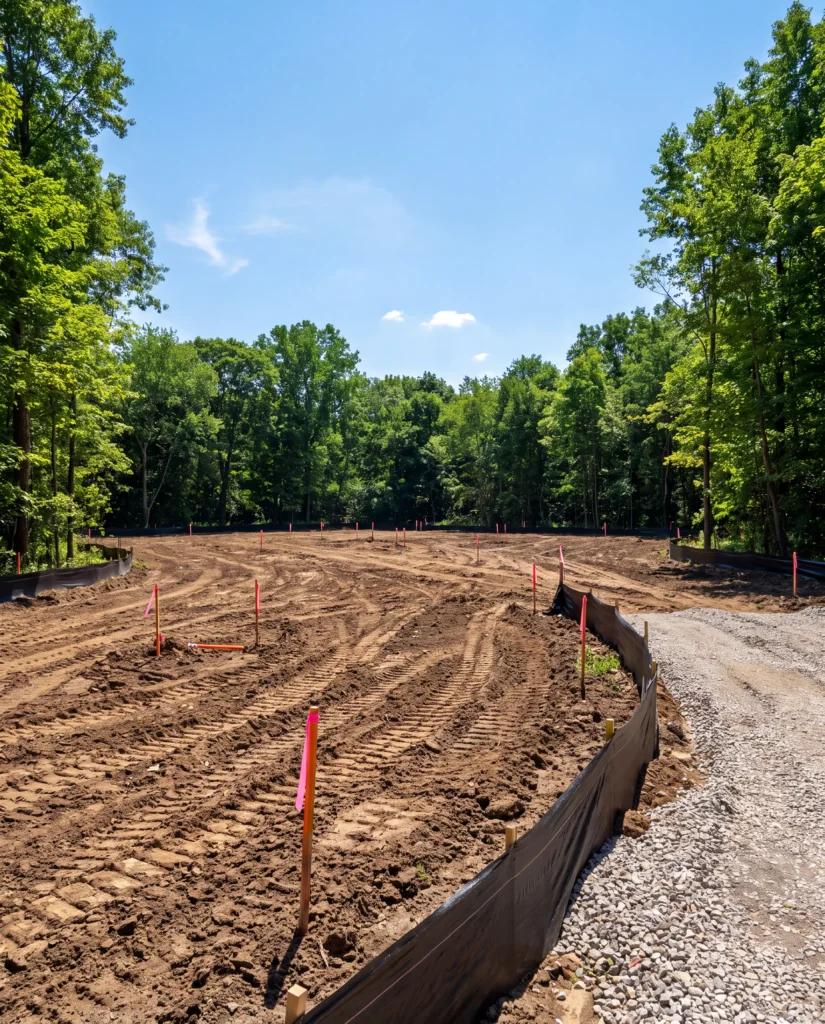
If you already own your land outright, its value often counts toward your equity in the project, which can reduce what you need to bring in cash. If you are buying the lot at the same time, some lenders will roll the purchase into the construction loan. Others will not.
Lenders Want To See The Builder’s Documents
Expect the lender to ask for the plans, specifications, the line-item budget and the contract. A vague budget slows underwriting down, which is one more practical reason to insist on a detailed one.
Contingency Is Not Optional
Most lenders require a contingency within the loan, and they are right to. If a surprise appears and there is no contingency, the shortfall comes out of your pocket at the least convenient moment.
Start The Conversation Early
Talk to a lender before you finalise a design. Knowing what you can comfortably carry shapes the size and specification of the house, and it is far easier to adjust a drawing than to re-engineer a project that has already been priced and permitted.