If you are comparing builders, the budget document tells you more than the price at the bottom of it. A number on its own is not information you can act on. A budget broken into real line items lets you see where the money is going, and lets you make trade-offs deliberately instead of discovering them halfway through framing.
Trade-By-Trade Line Items
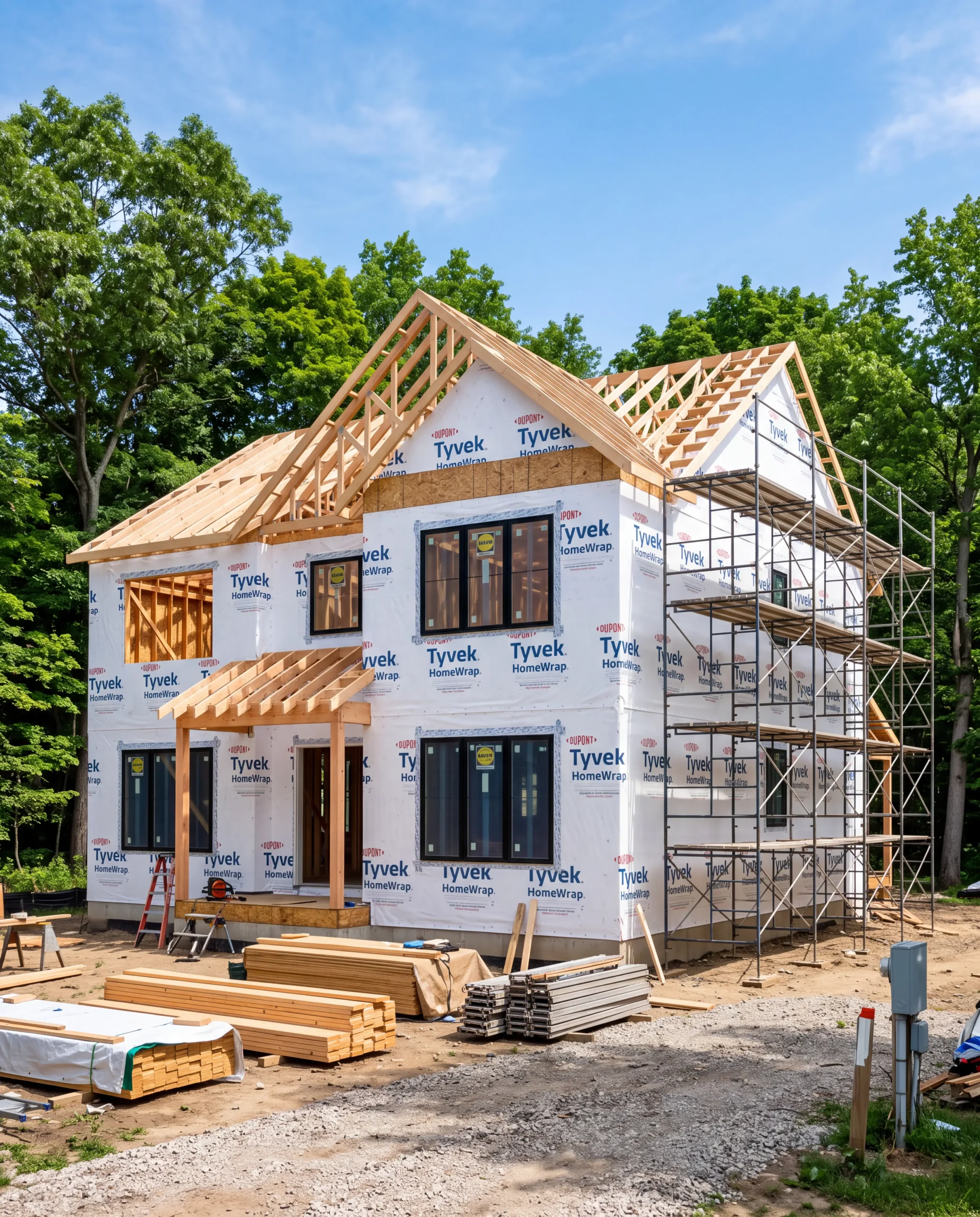
Excavation, foundation, framing, roofing, windows, mechanical, electrical, plumbing, insulation, drywall, trim, cabinetry, flooring, tile, paint, and site work should each appear on their own line. If several trades are collapsed into one figure, you cannot tell which one is driving the total, and you cannot value-engineer it later without re-pricing everything.
Allowances That Reflect Reality
An allowance is a placeholder for something you have not selected yet — tile, plumbing fixtures, lighting, appliances. It is also the single most common way a budget quietly understates the real cost of a house.
Ask what the allowance is based on. If the tile allowance assumes a builder-grade product and you have been sending your designer photographs of hand-glazed zellige, the number is fiction. A useful allowance is tied to a specific product level you have actually looked at.
Site Work, Separately
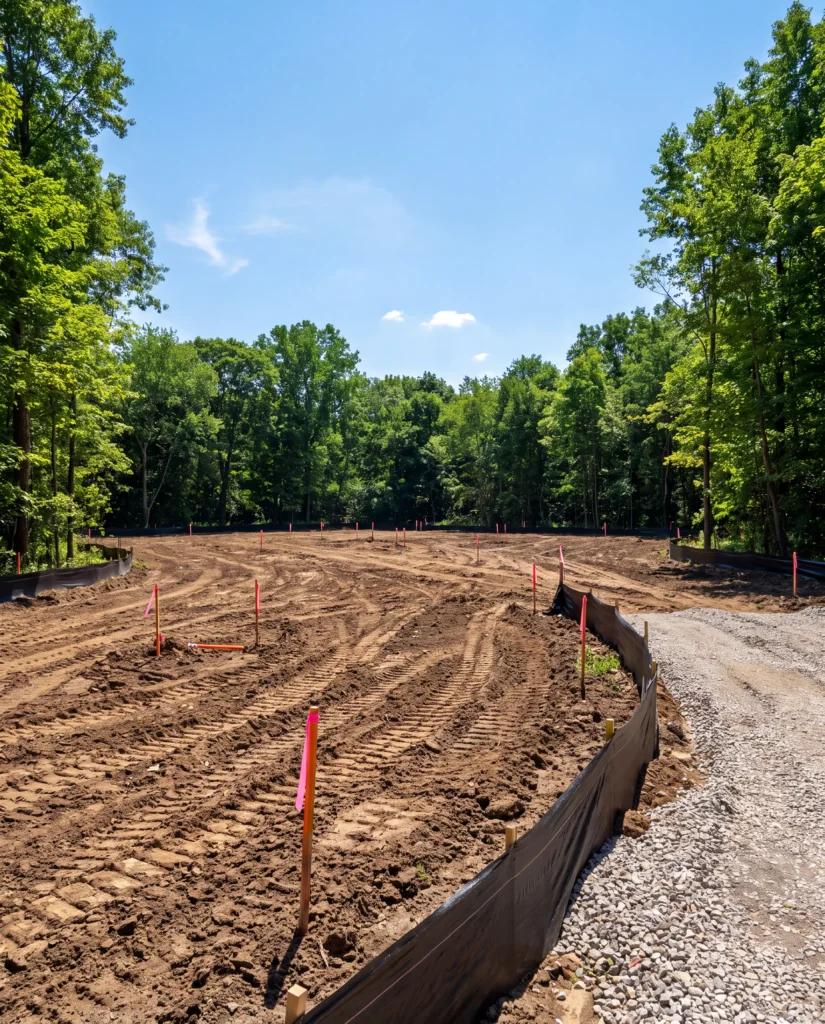
Clearing, grading, driveway, utility runs, erosion control and landscaping are not part of the house, and on a difficult lot they are not a rounding error either. They belong on their own lines so you can see them.
Permits, Fees And Soft Costs
Permit fees, municipal review, engineering, surveys, soil testing, temporary utilities, dumpsters and portable facilities all cost money. They are unglamorous and easy to leave out of a headline number.
The Builder’s Fee, Stated Plainly
Whether it is a fixed fee, a percentage, or built into the trade numbers, you should know how your builder is compensated and be able to see it. There is nothing wrong with any of these structures. There is something wrong with not being told which one you are in.
A Contingency
Renovation and new construction both encounter surprises — rock in the excavation, a utility in the wrong place, a municipal requirement nobody anticipated. A budget with no contingency is not a more accurate budget, it is one that will be exceeded.
How Changes Get Handled
The budget document should say how a change gets priced and approved. Written change orders, priced and signed before the work happens, protect both sides. Verbal changes explained later on an invoice protect neither.
What To Ask For
Ask any builder you are considering for a line-item budget rather than a bottom line, and ask what each allowance assumes. The answer, and how comfortable they are giving it, will tell you a great deal.